Otto Rehhagel - He came to stay: at first it looked like only a brief stop on the Weser. Otto Rehhagel arrived on February 29, 1976 as a fireman with a contract through the end of the season. Werder were 14th after Matchday 22 and threatened by relegation.
Rehhagel was supposed to do what he often did in the 1970s: come in, stabilize a team quickly, and move on again. The mission worked, Werder stayed up, and the fans stormed the pitch after the final home game and tried to negotiate a new deal on the spot. Otto politely declined because he had already given his word to Borussia Dortmund.
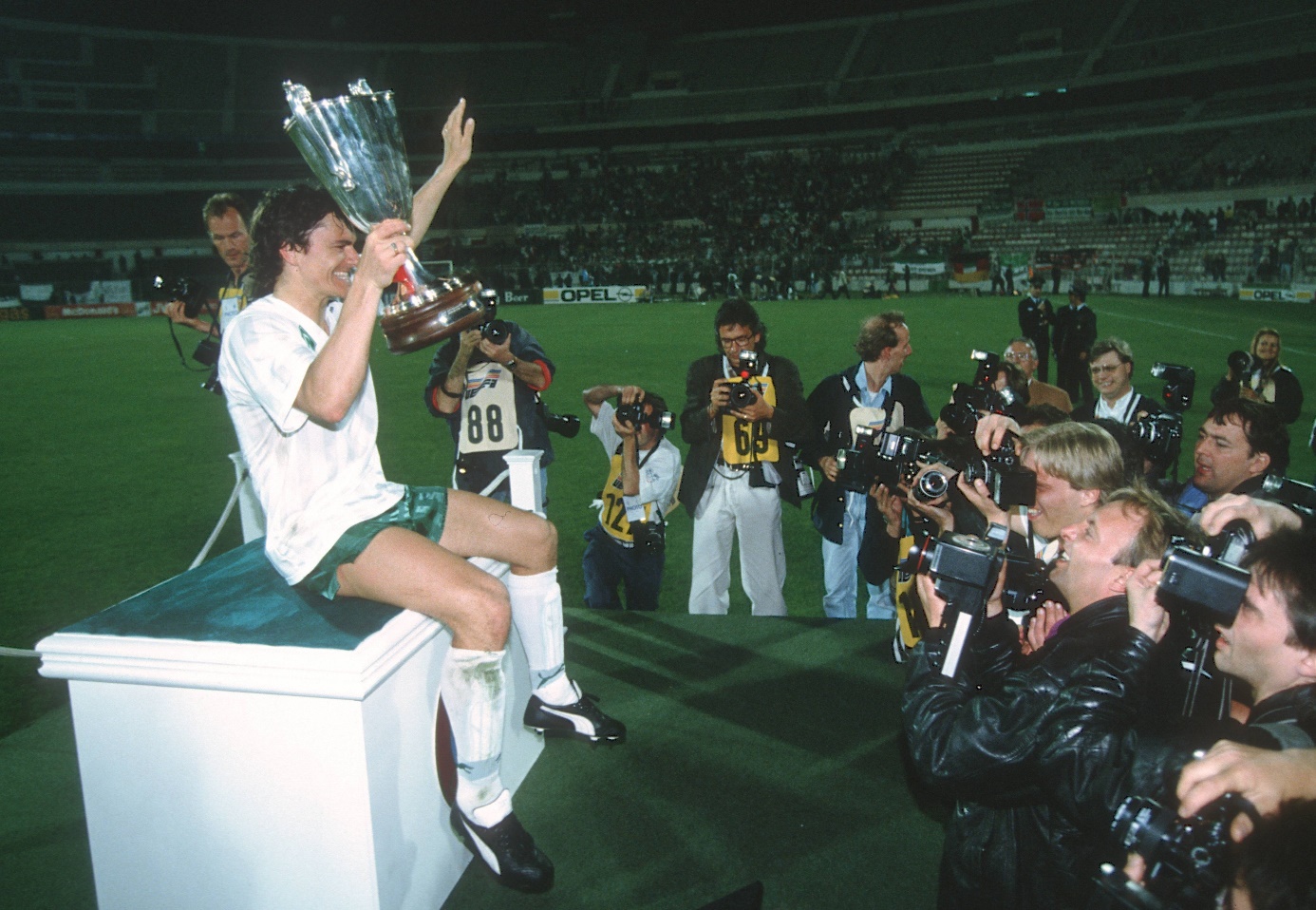
In April 1981 he returned, with Bremen still in the second division, and this time he came to stay. Under King Otto, Werder became German champions in 1988 and 1993, won the DFB Cup in 1991 and 1994, the Supercup in 1988, 1993 and 1994, and the Cup Winners' Cup in 1992. He shaped the club with his absolute claim to authority and his philosophy of controlled offense, a style that was both attractive and successful. During his time in Bremen, Kicker named him coach of the year four times.